

Book a Consultation
Best Lungs Cancer Treatment in Raipur
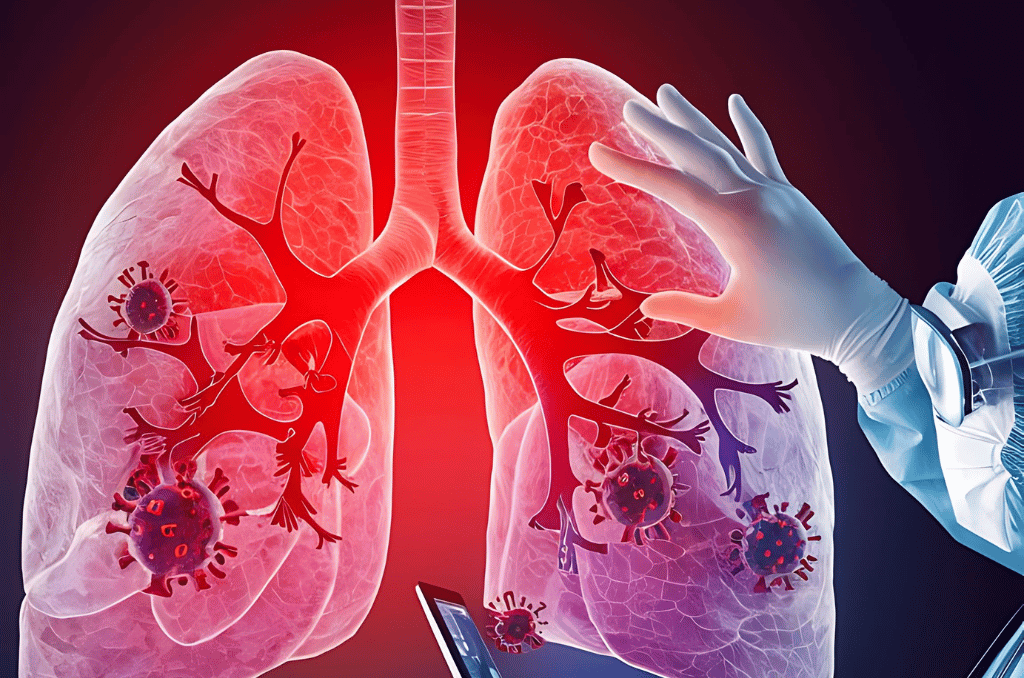
What isLungs Cancer?
Common causes include smoking, passive smoke exposure, air pollution, and genetic factors. Early diagnosis and timely medical care play a crucial role in improving outcomes, managing symptoms, and enhancing quality of life for patients.Awareness, regular check-ups, and prompt medical attention can significantly improve survival chances.
KeySigns and SymptomsThat May Indicate an Lungs Cancer
- Persistent cough that does not go away
- Coughing up blood or rust-colored sputum
- Chest pain that worsens with breathing or coughing
- Shortness of breath
- Recurrent respiratory infections
- Unexplained weight loss
- Constant fatigue or weakness
- Hoarseness or voice changes
- Wheezing sounds while breathing
- Loss of appetite
- Swelling of face or neck
Diagnosis ofLungs Cancer
Diagnosis of lung cancer at Vidya Hospital, Raipur is carried out using a thorough and patient-centric approach. Our specialists begin with a detailed medical history, physical examination, and evaluation of symptoms such as persistent cough, breathlessness, or unexplained weight loss. Advanced imaging techniques including chest X-ray, CT scan, and PET scan help detect abnormalities at an early stage.
For confirmation, procedures like bronchoscopy, biopsy, and laboratory tests are performed with precision and care. Guided by experienced pulmonologists and oncologists, Vidya Hospital ensures accurate diagnosis aligned with the best lung cancer treatment in Raipur, enabling timely intervention, personalized treatment planning, and improved patient outcomes with compassionate support throughout the care journey.

Treatment of
lungs Cancer Disease by
Dr. Aishwarya Dubey
Lungs Cancer Treatment in Raipur

- Detailed treatment planning based on cancer stage and type
- Personalized care under expert pulmonology and oncology guidance
- Advanced chemotherapy protocols
- Targeted therapy for specific cancer cells
- Immunotherapy to boost the body’s defense system
- Radiation therapy using modern techniques
- Surgical intervention when clinically suitable
- Symptom management for pain and breathing difficulty
- Nutritional and supportive care during treatment
- Continuous monitoring and follow-up evaluations
- Compassionate palliative care to improve quality of life
Frequently AskedQuestions
